Planetarium domes have evolved from “star shows” into high-impact immersive theaters that can educate, entertain, and generate revenue, often all in the same day. With thousands of fixed and mobile domes operating globally, the format has become one of the most proven ways to deliver large-scale immersive experiences to schools, families, tourists, and community groups.
So what makes a planetarium dome such a powerful asset for a school district, museum, city, university, science center, or private operator?
What is a planetarium dome?
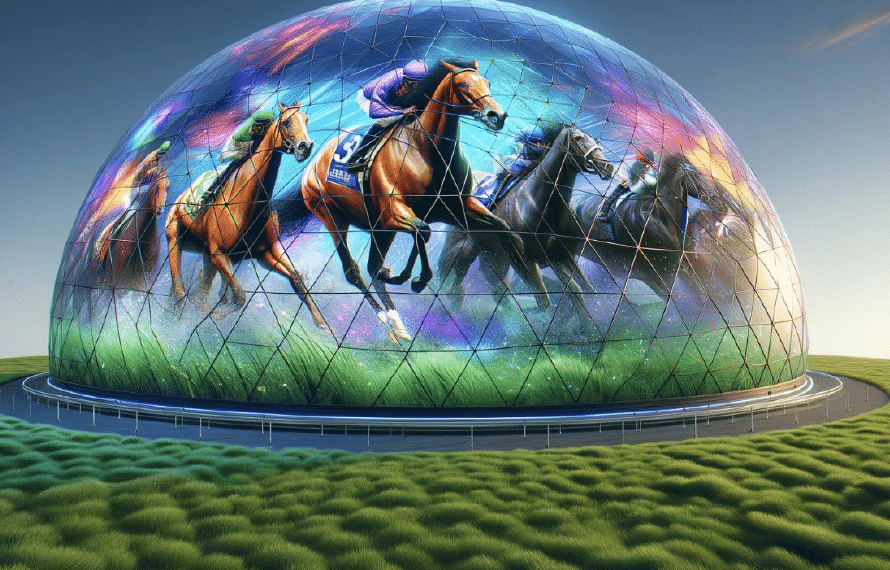
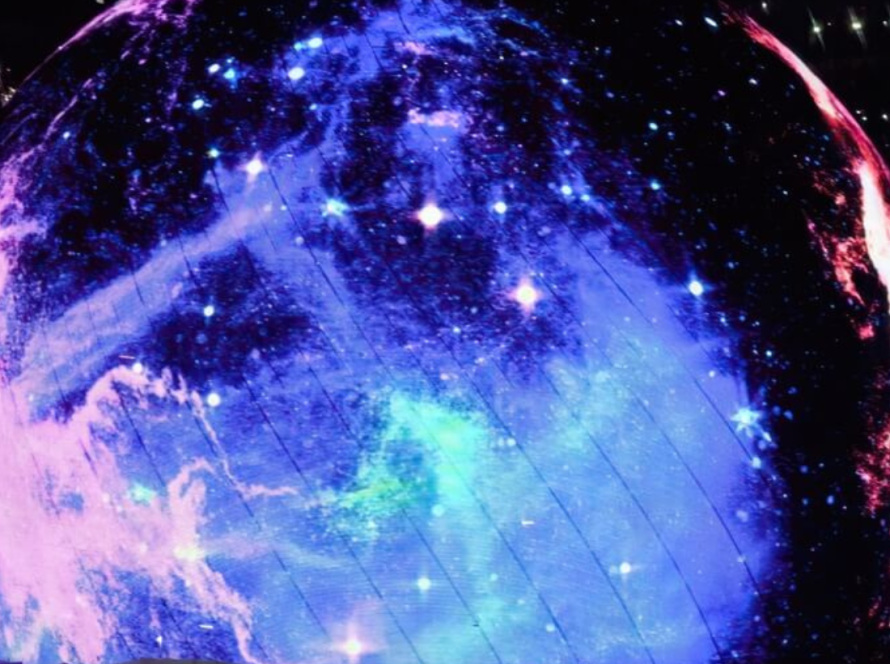
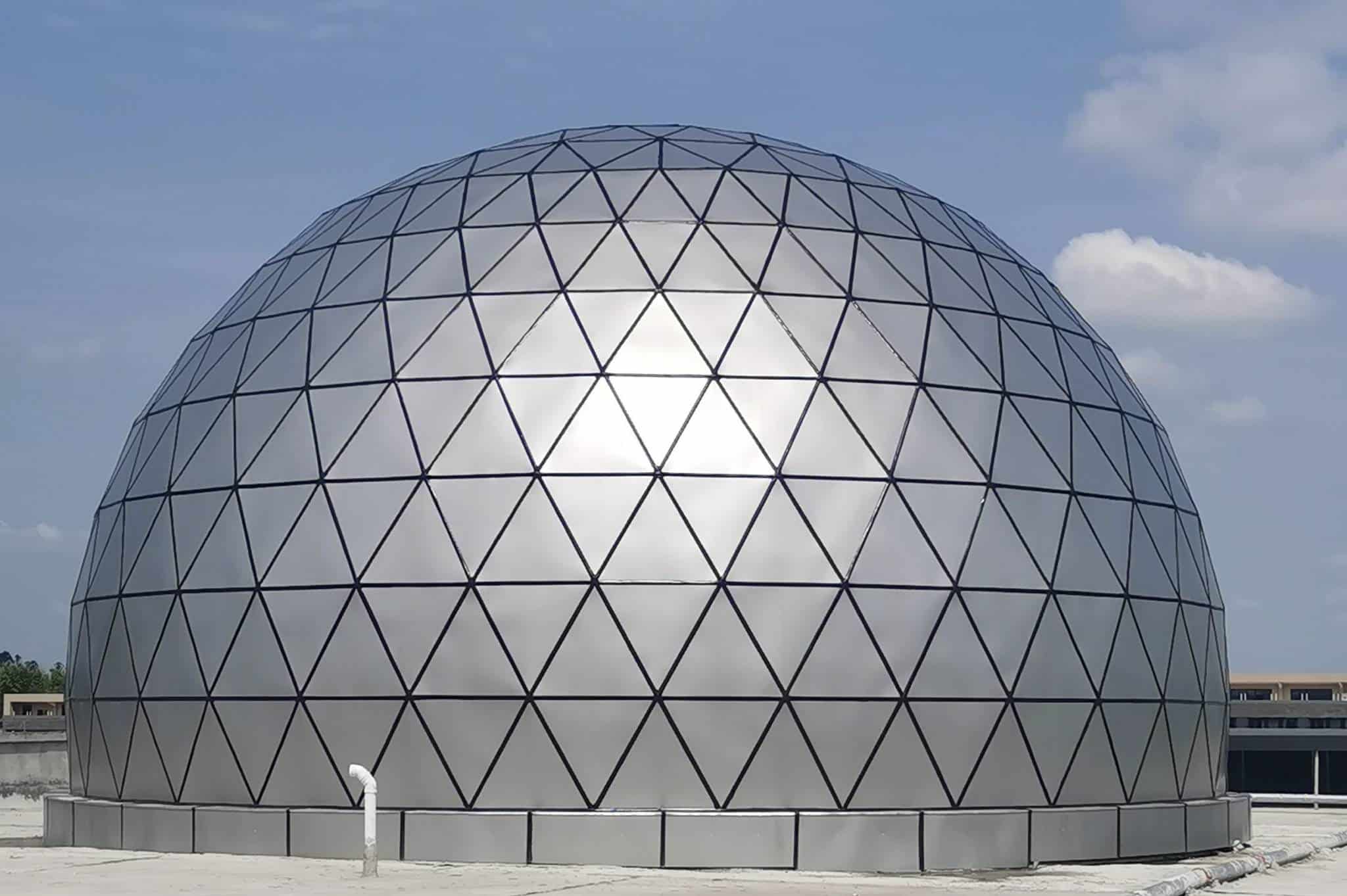
A planetarium dome is a hemispherical theater environment designed for immersive “fulldome” projection. Unlike a flat screen, a dome wraps the viewer’s entire field of vision, creating a sense of presence that’s ideal for astronomy, STEM learning, simulation, storytelling, and live presentations.
And importantly: domes scale well. They can be designed as permanent structures (museums, campuses, destinations) or as mobile experiences (school tours, pop-ups, event activations). The Worldwide Planetariums Database lists 2,800+ fixed planetariums and 500+ mobile planetariums worldwide (plus older/closed venues), showing how widespread the format is.
Why planetarium domes are booming again
The demand is being driven by a simple reality: audiences want immersive experiences and domes deliver immersion for groups, not just individuals.
What planetarium domes can be used for
A modern dome is not limited to astronomy. It can become a multi-purpose immersive venue with programming across education, entertainment, and community value.
Education and schools
Planetarium domes are an incredible “field trip multiplier,” because they can deliver:
- STEM and astronomy curriculum alignment
- Earth science (weather, climate, geology)
- Biology (ecosystems, oceans, the human body in immersive visualization)
- History and culture (timelines, civilizations, “you are there” storytelling)
- Career pathways (space/aviation, engineering, medical visualization)
They’re also ideal for live presenters and interactive lessons, especially when used as a flexible learning theater.
Museums, science centers, and community destinations
A dome can become the centerpiece attraction that drives:
- higher repeat visits via rotating shows
- special events and “featured experiences”
- school group programming during weekdays + public shows on weekends
Entertainment and events
Domes are increasingly used for:
- laser shows and music nights
- seasonal programs and themed events
- branded activations and sponsor nights
- community film festivals and immersive art
Workforce training and simulation
Beyond public programming, domes can support:
- emergency response scenario visualization
- aviation and navigation concepts
- research visualization and data storytelling
Engagement: why domes “hold attention”
Domes naturally increase engagement because they:
- reduce distractions (immersive environment)
- feel like an “experience,” not a lecture
- support shared awe (group immersion is powerful)
- make abstract concepts (space, scale, time) feel tangible
For schools and families, this translates to better memory, stronger curiosity, and higher word-of-mouth.
How planetarium domes can be monetized
A dome can generate revenue in multiple ways depending on the venue type. Here are common, realistic models:
1) Ticketed programming
- public show tickets
- premium “new release” fulldome films
- bundled museum + dome passes
2) Membership and subscriptions
- “Unlimited dome shows” membership tier
- early access to new programming
- member-only evenings
3) Group sales
- school field trip packages
- homeschool days
- scout nights and youth organizations
- private group buyouts
4) Sponsorships and partnerships
- sponsor-branded shows (“presented by…”)
- STEM sponsors (local employers + universities)
- community sponsor nights (free/discounted admission underwritten)
5) Rentals and private events
- corporate events
- birthdays and celebrations
- donor receptions
- conference programming add-on
6) Mobile dome touring (for schools and cities)
Mobile domes can operate as a rotating revenue unit:
- school district tours
- library and parks programming
- city event calendars
- seasonal pop-ups
Why ProDomeSpaces
At ProDomeSpaces, we specialize in designing and delivering high-performance dome structures tailored for immersive experiences, whether that’s a planetarium dome for education, a mobile dome for community outreach, or a permanent installation for museums, science centers, universities, and destination venues.
We don’t believe in one-size-fits-all domes. Every project starts with understanding:
- your audience size and use case
- how you plan to educate, engage, and monetize
- operational needs, budget, and long-term growth goals
From concept to execution, we help you plan a dome that works functionally, financially, and experientially.
Ready to Explore a Planetarium Dome?
If you’re considering a planetarium dome, or want to understand whether it makes sense for your school, museum, city, or organization, we’re here to help.
📐 Request a custom quote
📊 Explore dome sizes, configurations, and pricing
🎥 Plan for education, engagement, and revenue
👉 Contact ProDomeSpaces today to request a quote and start designing your planetarium dome experience.
Planetarium domes serve as remarkable venues for astronomical education and entertainment. These architectural structures provide an immersive experience, allowing audiences to explore celestial phenomena in a captivating environment. Equipped with advanced projection technology, planetarium domes facilitate interactive learning and foster a deeper understanding of the universe. Their significance extends beyond simple observation, as they inspire curiosity and appreciation for the sciences among diverse audiences.